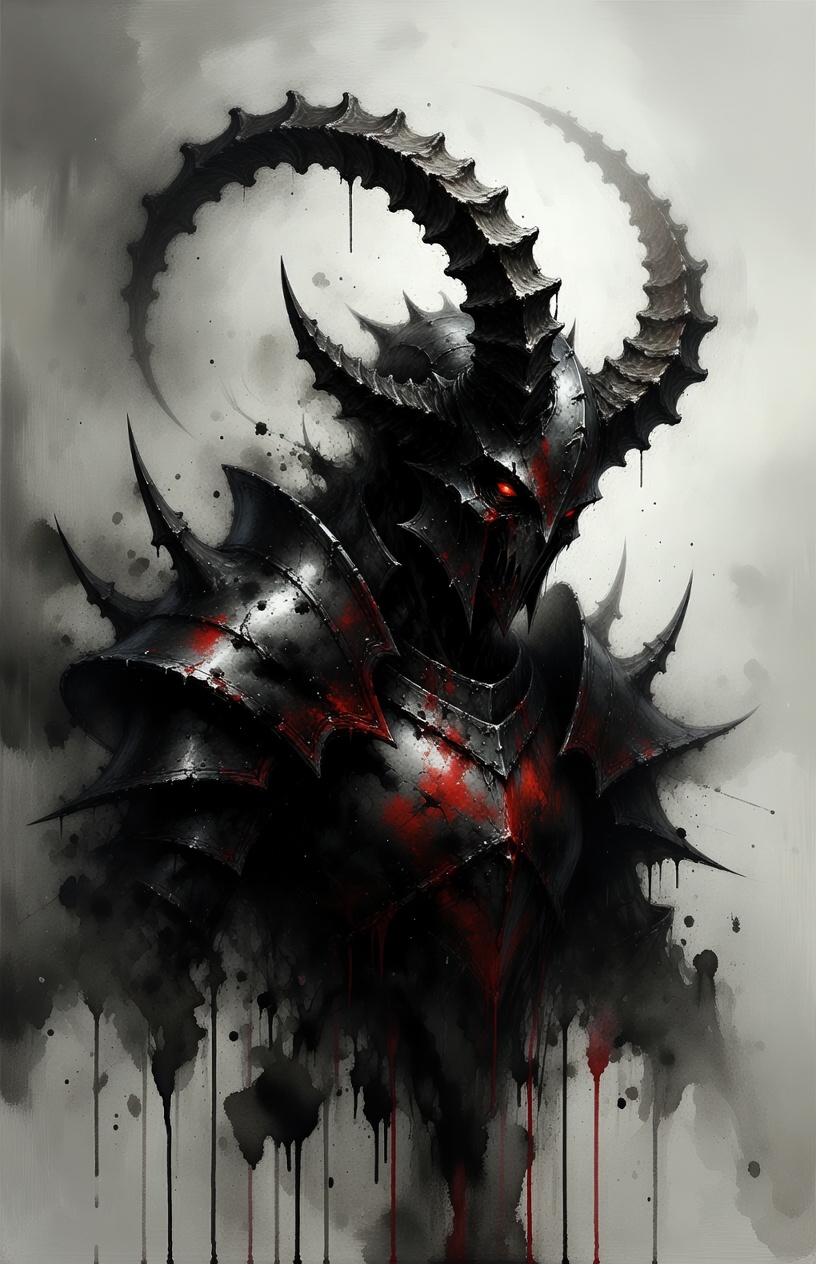
A duke of water whose domain encompasses the tender vulnerabilities of romantic love, desire between genders, and the subtle arts of seduction.
Zepar manifests as a figure of flowing water given temporary form—now appearing as an androgynous figure of ethereal beauty, now as a youth wreathed in mist and starlight. Their presence brings the smell of rain on warm earth, fresh flowers, and the mineral scent of deep water. Those who perceive Zepar often experience a sudden heightening of sensitivity—colors become more vivid, emotions intensify, and the boundaries between self and other seem to soften dangerously.
The air around Zepar shimmers with erotic charge. The demon does not radiate the overwhelming force of Beleth but rather an intimate, personal magnetism—as though Zepar sees into the specific vulnerabilities and desires of each individual present and gently exploits them. This intimacy makes Zepar uniquely seductive; the demon seems to understand and desire the target as no one else possibly could.
Zepar can create or strengthen romantic and sexual attraction between two people by manipulating the subtle flows of desire and chemistry between them. Unlike Beleth's crude compulsion, Zepar's work feels organic and natural; those affected believe the attraction arose spontaneously.
The demon creates a profound sense of personal connection and understanding between lovers, making them believe they know and are known by one another far more deeply than is actually the case. This false intimacy can last for years before reality intrudes.
Zepar dissolves the emotional boundaries that normally protect individuals from vulnerability and exploitation. Targets become open, suggestible, and willing to reveal deep truths to those the demon wishes them to trust.
The emergence of Zepar within the Western grimoire tradition.
Zepar appears in the major European grimoire compilations of the sixteenth and seventeenth centuries, cataloged as the Duke of the Goetia's infernal hierarchy. The spirit commands 26 legions and holds dominion over matters of excites women and reveals secrets.
The name Zepar does not appear in pre-medieval sources with certainty, suggesting this spirit may represent a later codification of older folk beliefs about elemental water spirits, planetary venus intelligences, or localized spirits of place that were systematized during the great period of grimoire compilation.
What is certain is that by the time Johann Weyer published the Pseudomonarchia Daemonum in 1577, Zepar had been assigned a fixed position in the hierarchy, specific powers, and a defined method of conjuration — details that would be refined but largely preserved in the later Ars Goetia.
How different sources describe Zepar across centuries of compilation.
Zepar in art, literature, and the modern imagination.
Historical and modern approaches to working with Zepar.
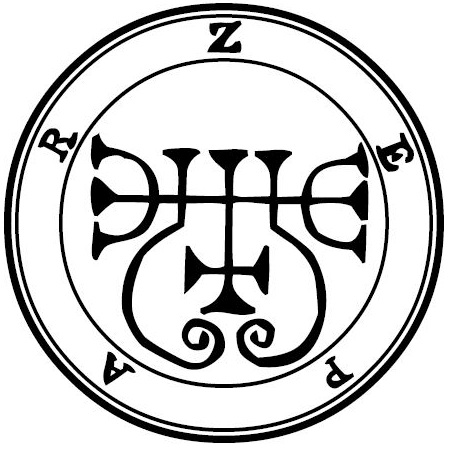
Regardless of method, the irreducible correspondences remain: the seal is central, the element is Water, the planet is Venus, the metal is copper, and the day is Friday. These form the signal beneath the noise of varying approaches.
Zepar responds to invocations made during twilight hours, particularly near bodies of water, and most readily when the summoner seeks to create genuine romantic connection.