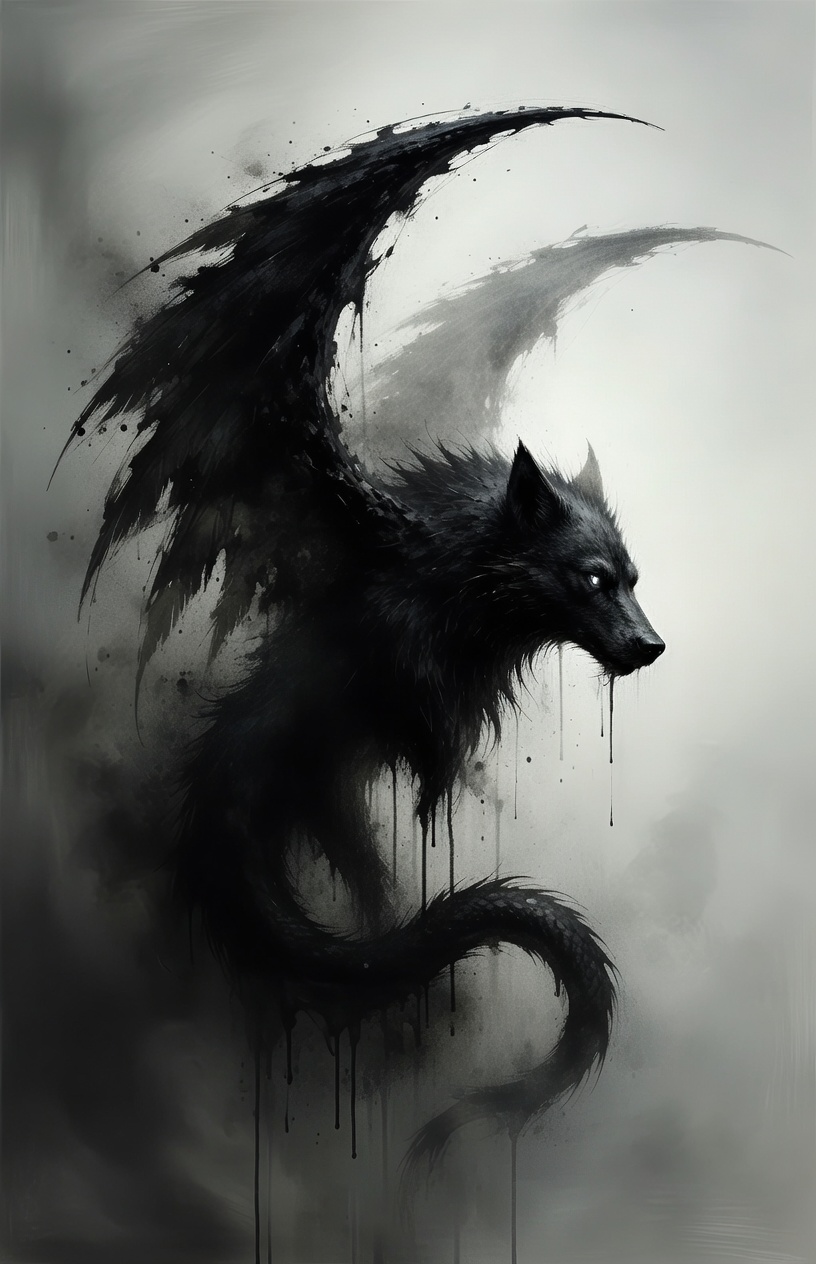
Marquis commanding 30 legions, master of warfare and truthful answers, granting victory and honest counsel through Mars-fire's strategic intensity.
Marchosias manifests as a figure of absolute martial excellence—sometimes appearing as a seasoned warrior in gleaming armor, sometimes as a tactical genius whose form seems to shift to anticipate all positions. His eyes burn with strategic intelligence; his presence carries the weight of countless battles understood perfectly. Fire dances across his shoulders; his armor reflects not light but the clarity of perfect understanding. The air around him carries the scent of forge-fire and blood; the sound of ancient battles echoes beneath his words.
Marchosias's presence radiates strategic mastery and the absolute clarity that comes from total honesty about conflict. Those near him feel compelled toward truth-telling about difficult situations; comfort and false optimism become impossible. His aura suggests both the ruthlessness of genuine warfare and the honor of those who fight truthfully.
Grants perfect understanding of any conflict—personal, professional, or martial. Hidden advantages become visible; opponents' true strengths and weaknesses become transparent. Strategic insight flows naturally from Marchosias's favor.
Provides honest answers to important questions about conflict and challenge. Marchosias does not comfort or mislead; he speaks the truth useful for victory. His counsel is invaluable in difficult situations.
Grants unshakeable courage and the clarity that comes from accepting the worst. Marchosias teaches that true confidence flows from understanding danger and accepting it. Fear becomes impossible through his influence.
The emergence of Marchosias within the Western grimoire tradition.
Marchosias appears in the major European grimoire compilations of the sixteenth and seventeenth centuries, cataloged as the Marquis of the Goetia's infernal hierarchy. The spirit commands 33 legions and holds dominion over matters of grants knowledge of future and past.
The name Marchosias does not appear in pre-medieval sources with certainty, suggesting this spirit may represent a later codification of older folk beliefs about elemental fire spirits, planetary moon intelligences, or localized spirits of place that were systematized during the great period of grimoire compilation.
What is certain is that by the time Johann Weyer published the Pseudomonarchia Daemonum in 1577, Marchosias had been assigned a fixed position in the hierarchy, specific powers, and a defined method of conjuration — details that would be refined but largely preserved in the later Ars Goetia.
How different sources describe Marchosias across centuries of compilation.
Marchosias in art, literature, and the modern imagination.
Historical and modern approaches to working with Marchosias.
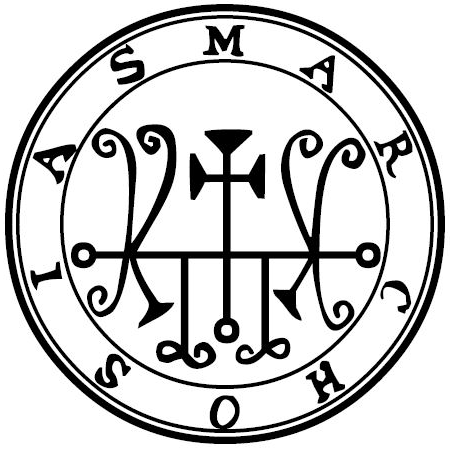
Regardless of method, the irreducible correspondences remain: the seal is central, the element is Fire, the planet is Moon, the metal is silver, and the day is Monday. These form the signal beneath the noise of varying approaches.
Marchosias responds to those facing genuine conflict or challenge, called with absolute clarity about the stakes. He favors warriors, competitors, strategists, and those engaged in honest struggle. He appears most readily during dawn or when facing imminent conflict. Those calling him must accept his truthful counsel, even when uncomfortable.