Earl commanding 26 legions, master of love and desire, storms and lightning, and truthful answers through Mars-fire's passionate intensity.
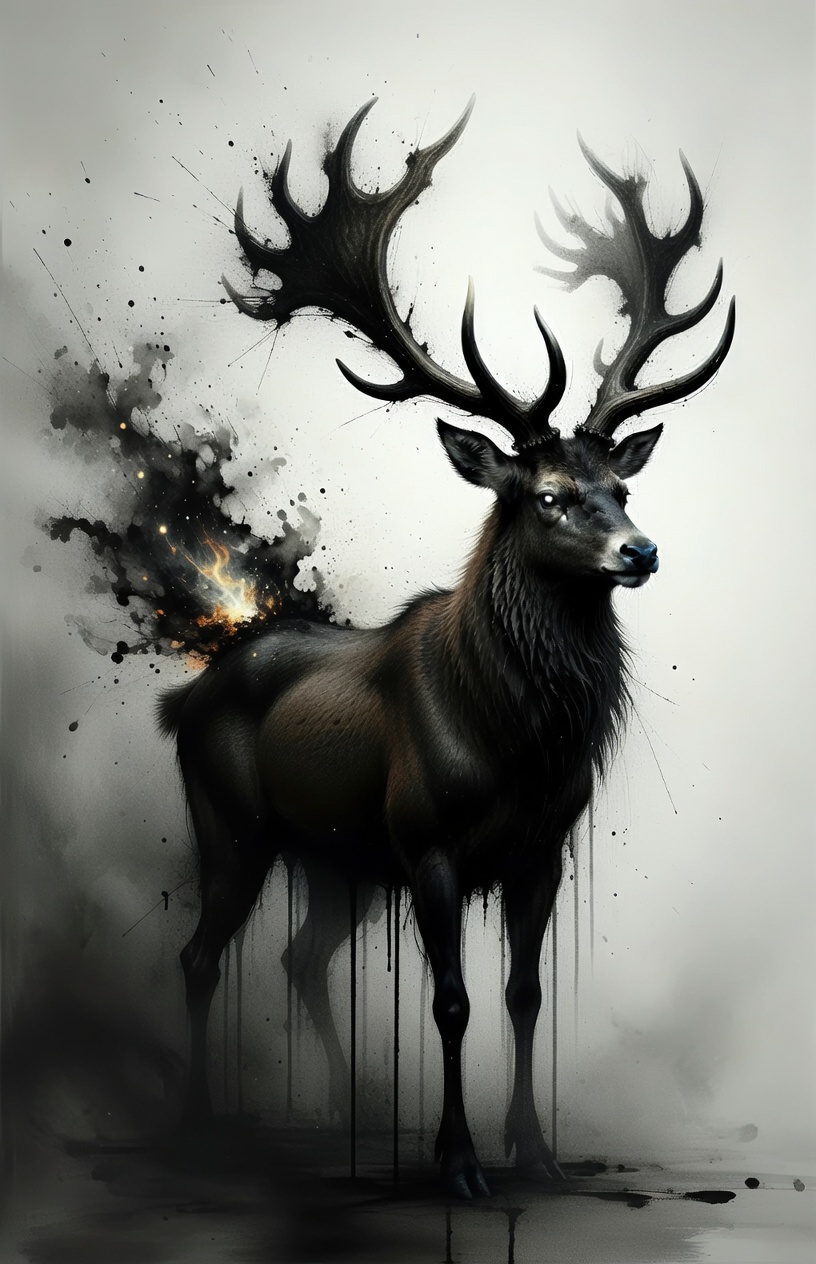
Furfur manifests as a figure wreathed in lightning and passion—sometimes appearing as a warrior of intense beauty, sometimes as a storm-spirit of pure elemental fury. His form crackles with electrical potential; his eyes flash with the fire of lightning. Wind and electricity seem to flow naturally around him. The air around Furfur carries the scent of ozone and burning passion. His presence evokes both the joy of sexual passion and the terror of uncontrolled lightning—intensity in all forms, beauty and danger unified.
Furfur's presence ignites passion and intensity of all kinds. Those near him feel their deepest desires arise unbidden; their most honest truths become impossible to suppress. His aura suggests wild love, creative fury, and the shattering power of lightning breaking apart all false constraint. There is no pretense in his presence—only raw truth and raw desire.
Creates genuine love and passionate attraction. Unlike other love-demons, Furfur creates not obsession but authentic resonance and desire. Those brought together through his influence experience real connection, not mere compulsion. Sexual power and creative passion flow through his gift.
Commands weather and the raw power of storms. Furfur calls lightning and thunder; his influence brings wild weather. Useful for dramatic manifestation, clearing stagnant situations, or demonstrating power through nature's force.
Forces honest speech and suppresses deception. In Furfur's presence or under his influence, people speak their true feelings and desires. Lies become impossible; pretense shatters like glass. Useful for confrontations and honest relationship transformation.
The emergence of Furfur within the Western grimoire tradition.
Furfur appears in the major European grimoire compilations of the sixteenth and seventeenth centuries, cataloged as the Earl of the Goetia's infernal hierarchy. The spirit commands 30 legions and holds dominion over matters of causes storms and thunder.
The name Furfur does not appear in pre-medieval sources with certainty, suggesting this spirit may represent a later codification of older folk beliefs about elemental fire spirits, planetary mars intelligences, or localized spirits of place that were systematized during the great period of grimoire compilation.
What is certain is that by the time Johann Weyer published the Pseudomonarchia Daemonum in 1577, Furfur had been assigned a fixed position in the hierarchy, specific powers, and a defined method of conjuration — details that would be refined but largely preserved in the later Ars Goetia.
How different sources describe Furfur across centuries of compilation.
Furfur in art, literature, and the modern imagination.
Historical and modern approaches to working with Furfur.
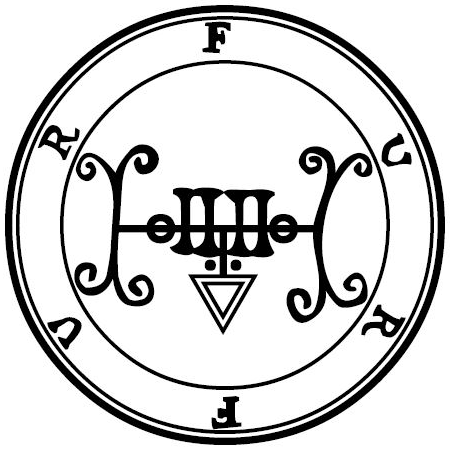
Regardless of method, the irreducible correspondences remain: the seal is central, the element is Fire, the planet is Mars, the metal is iron, and the day is Tuesday. These form the signal beneath the noise of varying approaches.
Furfur responds to those calling during thunderstorms or times of high emotional intensity. He favors those engaged in genuine passionate pursuits, artists, lovers, and warriors. He appears most readily when invoked with intensity matching his own—cool, formal invocations receive no response. Those who call him must be prepared for profound honesty and the shattering of pretense.