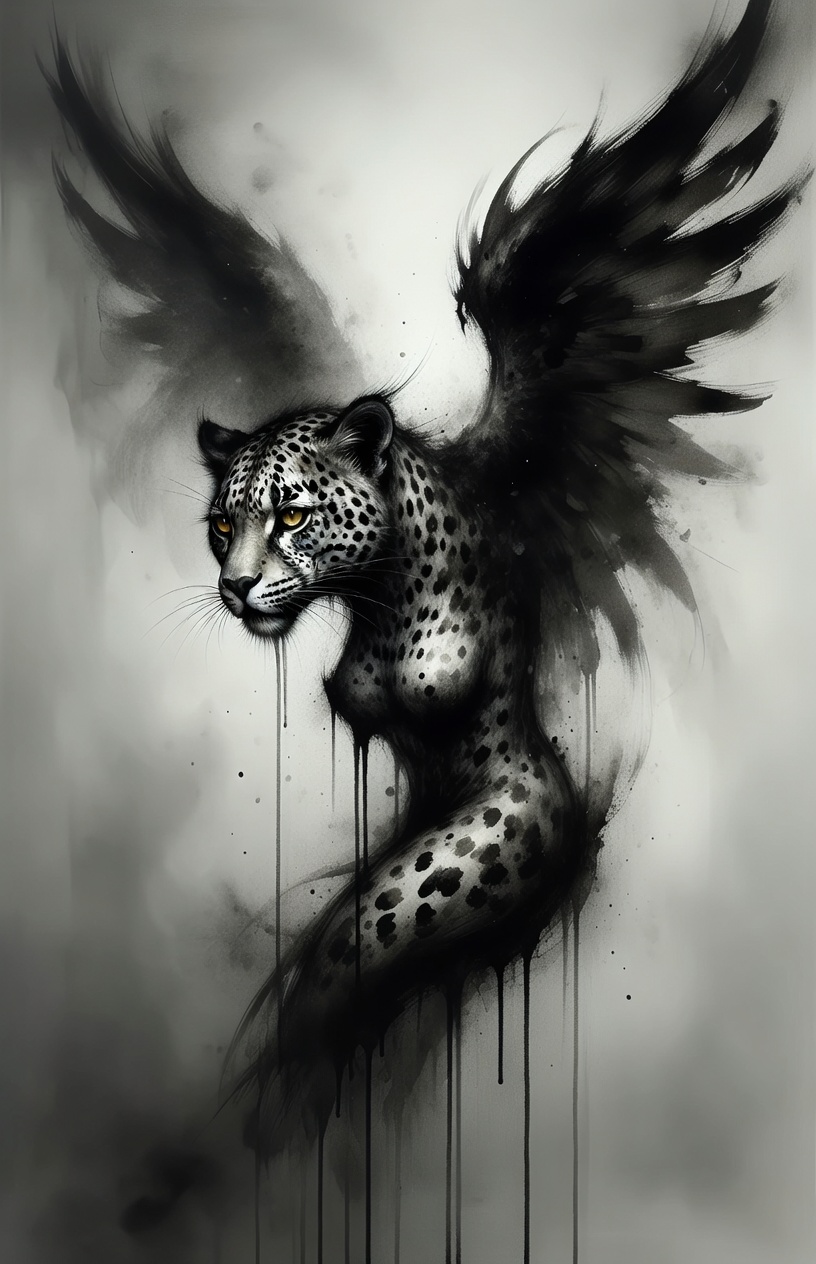
Master of desire and physical beauty, granting the power to inspire passionate attraction and command the forces of lust and longing.
Sitri manifests as a figure of extraordinary sensual beauty, often appearing as an androgynous being of perfect physical form wreathed in flames. His presence arrives with the scent of rare perfumes and warm skin—the atmosphere of seduction and desire itself. When invoked, those nearby experience heightened sensuality and awareness of their own physicality; attractiveness seems to increase; others become drawn closer. The air becomes charged with longing and the intensity of erotic awareness.
His aura radiates with the heat of passionate desire—neither purely sexual nor merely aesthetic but the fusion of both into a unified force. There exists an intensity about his presence that makes normal social distance dissolve; boundaries become permeable. Those in his vicinity experience their own desires sharpened and their awareness of the desires of others becoming almost painfully acute.
Sitri grants genuine power to inspire passionate desire and erotic attraction. This is not shallow manipulation but the awakening of authentic longing based on real recognition of attractiveness and appeal. The practitioner becomes almost irresistible to those they target; they perceive the desires in others and address them directly. Power operates through understanding desire's deep structures rather than superficial charm.
The spirit enhances physical beauty and sensual magnetism. Work with Sitri gradually transforms the practitioner's appearance and bearing—not through magical illusion but through subtle shifts that align physical form with inner power and confidence. The practitioner becomes genuinely more attractive to desired partners; others find themselves drawn to them without understanding why.
Sitri teaches that passion and desire, when properly directed, become creative forces. Through understanding and amplifying desire, the practitioner learns to manifest what they truly long for. This power extends beyond romantic and sexual desire to encompass passionate longing for achievements, possessions, and life-circumstances. Desire becomes a tool for bringing reality into alignment with will.
The emergence of Sitri within the Western grimoire tradition.
Sitri appears in the major European grimoire compilations of the sixteenth and seventeenth centuries, cataloged as the Prince of the Goetia's infernal hierarchy. The spirit commands 60 legions and holds dominion over matters of excites desire and lust.
The name Sitri does not appear in pre-medieval sources with certainty, suggesting this spirit may represent a later codification of older folk beliefs about elemental water spirits, planetary jupiter intelligences, or localized spirits of place that were systematized during the great period of grimoire compilation.
What is certain is that by the time Johann Weyer published the Pseudomonarchia Daemonum in 1577, Sitri had been assigned a fixed position in the hierarchy, specific powers, and a defined method of conjuration — details that would be refined but largely preserved in the later Ars Goetia.
How different sources describe Sitri across centuries of compilation.
Sitri in art, literature, and the modern imagination.
Historical and modern approaches to working with Sitri.
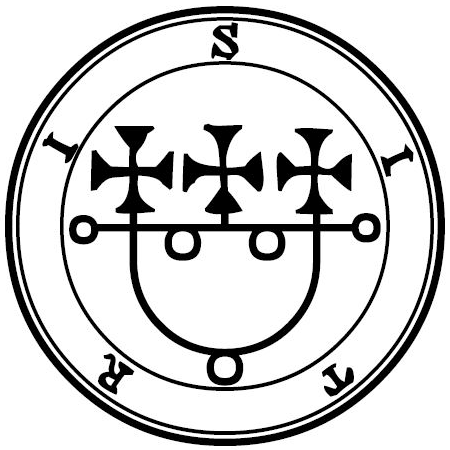
Regardless of method, the irreducible correspondences remain: the seal is central, the element is Water, the planet is Jupiter, the metal is tin, and the day is Thursday. These form the signal beneath the noise of varying approaches.
Sitri responds most readily to those approaching desire with honesty rather than shame, and with genuine care for both their own pleasure and that of their partners. He favors practitioners who seek mutual desire rather than one-sided domination.