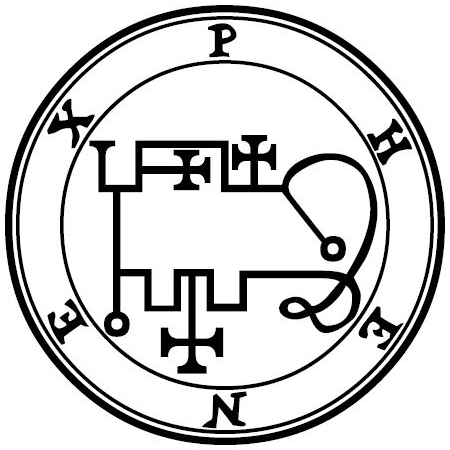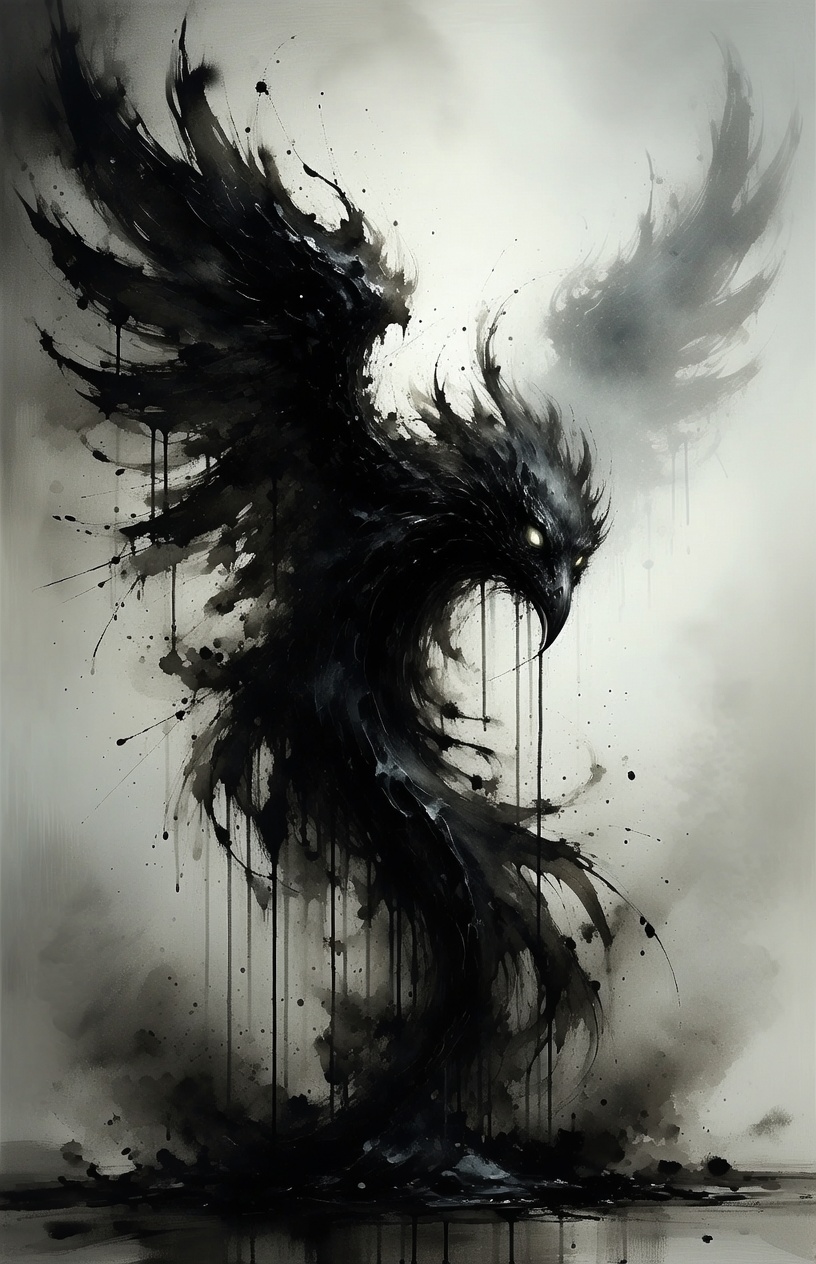
Phenex manifests as a luminous phoenix spirit, granting eloquence and scientific mastery to devoted servants.
Phenex manifests as a brilliant avian form wreathed in golden flames, its wings painting patterns of pure light across shadow. The demon arrives with the scent of cinnamon and myrrh, announcing itself through crackling fire that brings no heat. Those who summon Phenex report seeing geometric light-forms dance before their eyes—spiraling symbols that encode forgotten knowledge.
The presence radiates intellectual clarity and burning ambition. A palpable warmth surrounds the summoner, not uncomfortable but energizing, like standing near a forge where truth is being tempered. Phenex's aura speaks of transformation through knowledge and the power of words perfectly chosen.
Phenex teaches the hidden grammar underlying reality itself. Words spoken with this knowledge reshape circumstances, influence hearts, and unlock sealed knowledge. The demon grants mastery over persuasion and rhetoric, making the summoner's speech carry undeniable weight.
The demon reveals what darkness conceals—whether literal shadow or metaphorical ignorance. Summoners gain clarity on hidden truths, see through deception, and illuminate paths forward previously obscured.
Phenex catalyzes metamorphosis in the summoner's intellect and spirit. Crude understanding becomes refined wisdom, fear transforms into courage, and limitations dissolve through persistent application of knowledge.
From Ancient Fire-Worship to Medieval Grimoires
The entity known as Phenex emerges from a confluence of Mediterranean fire-worship traditions and Abrahamic demonological classification. Pre-Islamic Arabian sacred fire-spirits, known as zānn beings of pure elemental consciousness, form the theological skeleton of this demon's historical identity. These fire-entities were understood not as malevolent forces but as consciousnesses native to the element itself—powerful, demanding respect, but fundamentally neutral in moral orientation.
Medieval Christian scholars absorbed these traditions through Islamic philosophical texts, particularly those preserved in Al-Andalus and Sicily during the twelfth century. The phoenix imagery—borrowed from classical Greek and Egyptian sources—became the western metaphor for Phenex's nature. The transformation of the phoenix (death and renewal through flame) paralleled medieval understanding of knowledge as simultaneously destructive (of ignorance) and regenerative (of understanding).
The Demon Across Manuscripts and Traditions
Phenex appears in virtually all major grimoire traditions, though with striking variations in description, rank, and attributed power. These differences reveal how different magical communities understood the demon's essential nature.
Phenex in Art, Literature, and Magical Practice
Historical and modern approaches to working with Phenex.
Regardless of method, the irreducible correspondences remain: the seal is central, the element is Fire, the planet is Moon, the metal is silver, and the day is Monday. These form the signal beneath the noise of varying approaches.
Phenex responds most eagerly to summoners who approach with intellectual hunger and genuine respect for knowledge. The demon manifests during dawn hours or when candles burn with exceptional brightness, typically within minutes of sincere invocation.