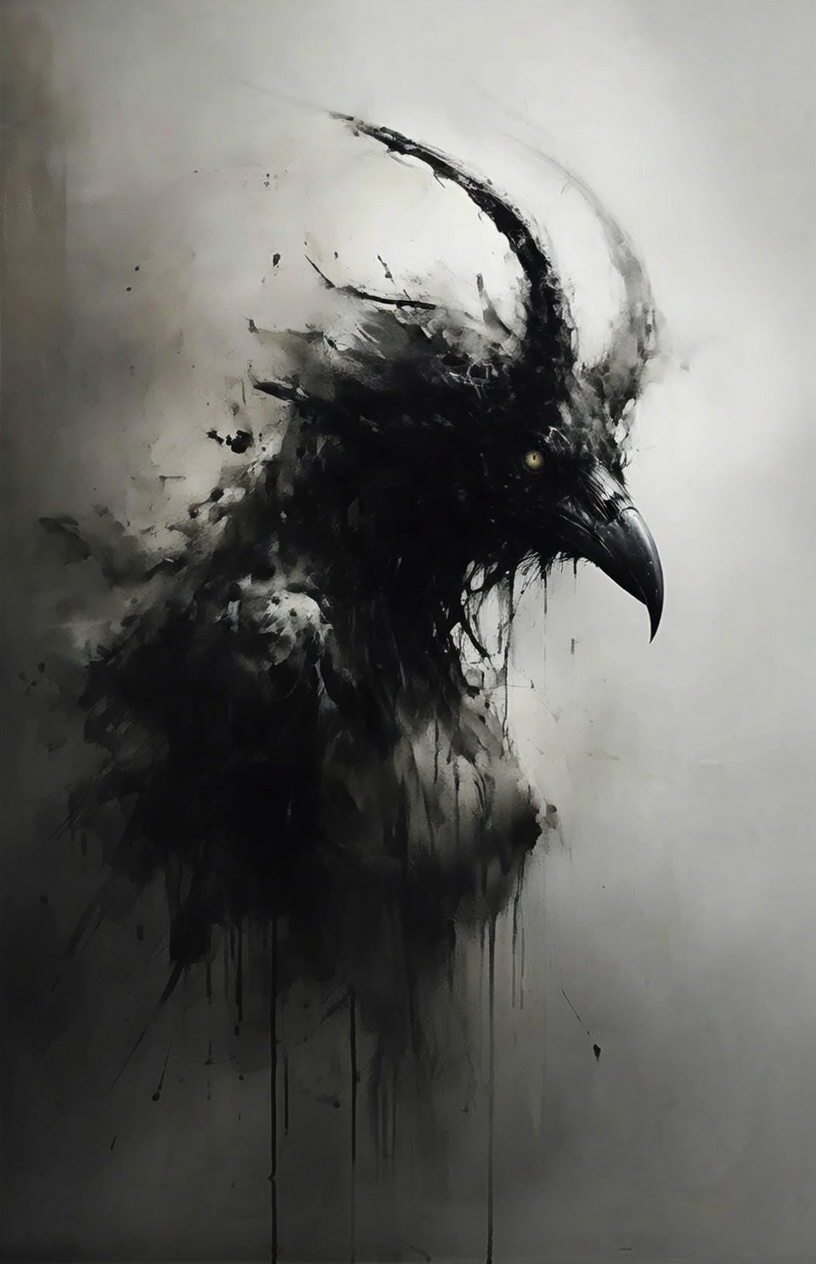
Malphas builds structures and binds servitors—a deceiver-architect who creates while concealing, reveals while hiding.
Malphas manifests as a towering figure wreathed in shifting air-currents that carry whispers of multiple voices speaking simultaneously. The demon arrives with the scent of limestone dust and fresh-cut wood, accompanied by the sound of construction tools striking in rapid sequence. Summoners report experiencing sudden architectural comprehension—understanding how buildings should be structured as if they possessed lifelong expertise.
The presence combines creative energy with calculated deception. Malphas's aura is deceptively warm—the demon projects trustworthiness and benevolence while the attentive perceive layers of hidden intention beneath. There is beauty here, but also the careful obscurement of shadow where details might reveal uncomfortable truths.
Malphas accelerates construction beyond natural possibility. Buildings designed by the demon's guidance possess supernatural durability and aesthetic perfection. The demon grants intuitive understanding of weight distribution, materials, and structural integrity—enabling construction of impossible architectural forms.
The demon can inflame specific desires in targeted individuals, making them act on wants they might otherwise suppress. This power operates through subtle influence rather than direct coercion—victims genuinely believe their impulses are their own, never recognizing external influence.
Malphas creates and permanently binds spirit-servants tailored to the summoner's specific needs. These familiars possess surprising capabilities—some gather information, others perform invisible labor, still others offer counsel. The demon charges no explicit price, but familiars ultimately answer Malphas first and summoner second.
From Builder-Spirits to Demonic Architecture
Malphas emerges from a complex fusion of Near Eastern builder-spirit traditions and older shape-shifter mythology. The demon's name possibly relates to Sanskrit 'malpasya' (builder of illusions) or Hebrew 'malpeš' (hidden-maker). Pre-Islamic Arabian djinn traditions included construction-spirits responsible for raising cities overnight—spirits whose true loyalty remained ambiguous.
Medieval grimoire traditions preserved these shape-shifting builder-spirits while adding Christian demonological framing. The transformation was profound: neutral construction-spirits became 'demons of deception'—their moral ambiguity recast as inherent malevolence. Yet functional invocations remained unchanged, suggesting practitioners understood the reclassification as theological rather than practical necessity.
The Architect-Demon Across Manuscript Traditions
Malphas appears consistently across grimoire traditions as both builder and deceiver—a complex characterization suggesting deep historical roots. The demon's dual nature (creation and manipulation) appears in virtually every source.
Malphas in Architecture, Art, and Ambition
Historical and modern approaches to working with Malphas.
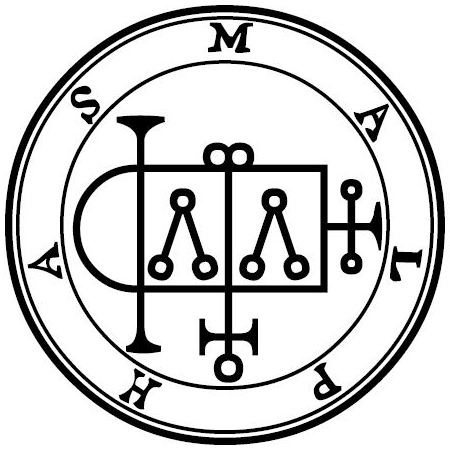
Regardless of method, the irreducible correspondences remain: the seal is central, the element is Air, the planet is Mercury, the metal is mercury, and the day is Wednesday. These form the signal beneath the noise of varying approaches.
Malphas manifests most readily to those who provide detailed specifications and architectural drawings. The demon responds within hours when requests are accompanied by physical building materials. This spirit particularly favors ambitious individuals unconcerned with moral considerations.