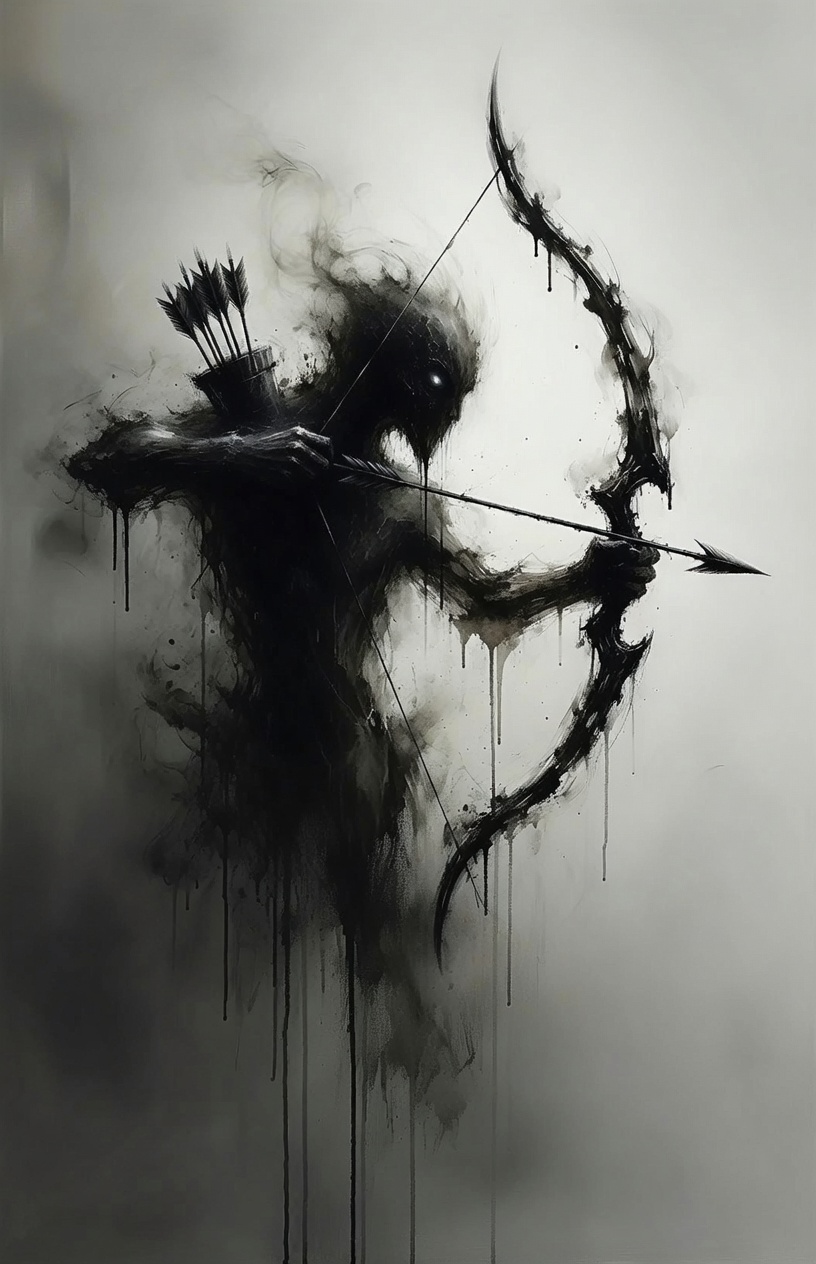
Lord of beasts and buried treasures, granting the power to command animals and uncover all things hidden beneath earth and stone.
Barbatos manifests as a figure of earthy mastery, often appearing as a man surrounded by animals or as a creature combining human and animal features. His presence arrives with the scent of soil and growing things, combined with the metallic tang of treasure-wealth. When invoked, those nearby experience an uncanny connection with nearby animals—birds fall silent to listen, dogs cease aggression, wild creatures approach without fear. The ground beneath one's feet seems laden with secrets waiting to be excavated.
His aura radiates outward with the steady power of deep earth and ancient roots. There exists a profound calm about his presence—not sleepy but alert, the awareness of a wild creature in its own territory. The boundary between human consciousness and animal awareness becomes thin; thoughts surface not as words but as sensations and knowing. The space around him feels rich with hidden value waiting discovery.

Barbatos grants genuine understanding of animal nature—not domination through force but communication through awareness. The practitioner comes to perceive animals not as lesser beings but as distinct intelligences with their own motivations and wisdom. Through this understanding, animals become willing partners rather than reluctant servants. The power extends to understanding wild creatures and compelling them to aid or withdraw from the practitioner's work.
The spirit reveals all things of value hidden in earth and stone. Barbatos teaches the practitioner to read the landscape—to sense where treasure lies buried, where lost objects rest, where valuable things have been hidden. This power operates through sympathetic knowledge of value itself; the practitioner learns to feel the resonance of precious things the way a divining rod finds water.
Barbatos teaches that earth itself is a vast repository of knowledge. Soil contains memory of all that has transpired upon and within it. Through this power, practitioners learn to read landscapes, to understand geological history, to sense hidden structures and buried artifacts. This knowledge extends to understanding the hidden wealth of any location and the forces that have shaped it.
The emergence of Barbatos within the Western grimoire tradition.
Barbatos appears in the major European grimoire compilations of the sixteenth and seventeenth centuries, cataloged as the Duke of the Goetia's infernal hierarchy. The spirit commands 30 legions and holds dominion over matters of grants mastery of herbs and animals.
The name Barbatos does not appear in pre-medieval sources with certainty, suggesting this spirit may represent a later codification of older folk beliefs about elemental earth spirits, planetary venus intelligences, or localized spirits of place that were systematized during the great period of grimoire compilation.
What is certain is that by the time Johann Weyer published the Pseudomonarchia Daemonum in 1577, Barbatos had been assigned a fixed position in the hierarchy, specific powers, and a defined method of conjuration — details that would be refined but largely preserved in the later Ars Goetia.
How different sources describe Barbatos across centuries of compilation.
Barbatos in art, literature, and the modern imagination.
Historical and modern approaches to working with Barbatos.
Regardless of method, the irreducible correspondences remain: the seal is central, the element is Earth, the planet is Venus, the metal is copper, and the day is Friday. These form the signal beneath the noise of varying approaches.
Barbatos responds most readily when invoked in wild places or in spaces connected to earth—caves, forests, gardens, or beneath trees. Practitioners should approach with genuine respect for animal life and the earth's living systems.