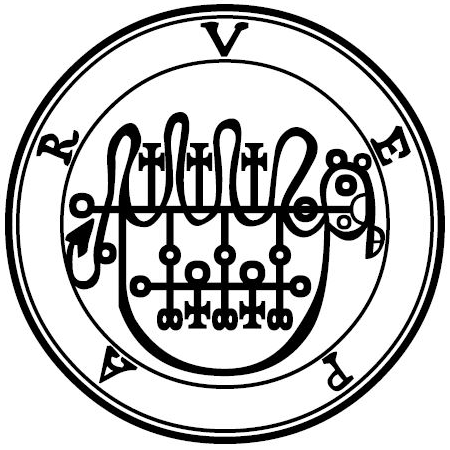
Vepar wages naval war, commands storms, and inflicts supernatural wounds—water's destructive power made visible.
Vepar manifests as a shimmering female form composed partially of seawater and mist, constantly shifting between liquid and humanoid states. The demon arrives with the scent of brine and barnacle-encrusted wood, accompanied by the sound of crashing waves that echo in impossible places. Summoners report experiencing sudden tactical understanding of naval warfare and supernatural knowledge of wound-infliction.
The presence combines fluid grace with purposeful brutality. Vepar's aura is seductively beautiful—the demon projects elegance and refinement while the attentive perceive the barely-restrained violence beneath. Water swirls around the demon unnaturally, responding as if possessing consciousness.
Vepar commands seas as battlefield. The demon grants understanding of tidal currents, wind-patterns, and naval positioning that ensures tactical advantage. Summoners gain supernatural knowledge of enemy fleet-composition and vulnerabilities, enabling naval victory against superior forces.
Vepar inflicts wounds that refuse ordinary healing. Cuts develop infections despite treatment, broken bones heal improperly, and minor injuries become progressively worse. The demon specializes in injuries that demoralize through perceived wrongness—wounds that medical knowledge cannot explain or treat.
The demon poisons water-supplies with supernatural efficiency, causing diseases that spread through entire populations. Vepar can target specific bodies of water, affecting only enemies while sparing summoner and allies. This power manifests slowly but proves devastatingly effective.
From Water-Goddess to Naval Destroyer
Vepar's origins reveal transformation from sea-goddess veneration to demon classification. The name possibly derives from Iberian 'vepera' (evening/waters at dusk) or Semitic 'veper' (to burst/overflow). The most plausible etymology traces to Phoenician sea-goddess traditions—specifically Astarte-variants associated with naval warfare and sea-protection.
Medieval Christian transformation was particularly aggressive regarding Vepar: where Focalor merely weaponized water, Vepar represented the corrupted feminine principle of maritime power. The demonization process created misogynistic religious framing while preserving functional summoning knowledge. Modern practitioners note Vepar demonstrates surprising patience with summoners and negotiates terms more flexibly than most demonic entities.
The Naval Demon Across Maritime Traditions
Vepar appears consistently across maritime grimoires, though with occasional gender-variation reflecting theological debates. The demon's practical effectiveness ensured preservation despite religious suppression.
Vepar in Naval History and Plague
Historical and modern approaches to working with Vepar.
Regardless of method, the irreducible correspondences remain: the seal is central, the element is Water, the planet is Venus, the metal is copper, and the day is Friday. These form the signal beneath the noise of varying approaches.
Vepar manifests near water and responds particularly to those commanding naval forces or positioned near coasts. The demon appears within hours during storm-conditions and may require days or weeks when calm seas prevail.