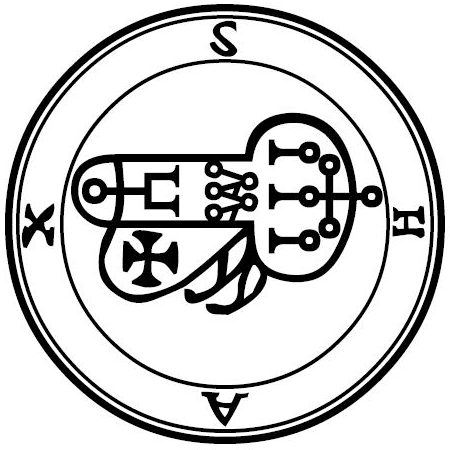
Shax steals and finds hidden things, strikes blindness and deafness—a thief-spirit of exceptional cunning.
Shax manifests as a swift, featureless shape that moves faster than eyes can track, features constantly shifting and obscured. The demon arrives with the scent of ozone and quicksilver, accompanied by the sound of rustling wind and distant laughter. Summoners report experiencing sudden enhancement of perception and understanding of how to steal anything, from objects to senses themselves.
The presence radiates quicksilver evasiveness and intellectual cunning. Shax's aura is deceptively light—the demon projects intelligence and humor while the attentive perceive merciless capability for theft and sensory deprivation. Air swirls around the demon unnaturally, as if the entity exists partially out of phase with normal reality.
Shax enables theft of anything from the most protected locations. The demon reveals precisely how to bypass security, identifies optimal theft-timing, and ensures successful acquisition without detection. The spirit can steal intangible things—secrets, memories, or skills—as easily as physical objects.
The demon perceives hidden things invisible to normal senses. Shax can locate buried treasure, identify hidden compartments, and find anything intentionally concealed. This power works regardless of magical concealment—Shax simply sees what is hidden.
Shax strikes blindness and deafness on enemies with supernatural precision. The sensory theft can be temporary or permanent depending on circumstances. Enemies robbed of sight or hearing lose combat effectiveness and psychological stability, creating advantages far exceeding the immediate sensory loss.
From Mercury-Spirit to Thief-Demon
Shax derives from Mercury-spirit traditions throughout Indo-European and Mediterranean cultures. The demon's name possibly relates to Latin 'saxum' (stone/hidden-thing) or Greek 'sax' (theft/stealth). However, deeper analysis suggests Sanskrit 'shakti' (power/energy) traditions merged with trickster-spirit mythology, creating a complex entity balancing theft and revelation.
The transformation from helpful Mercury-spirit to demonic thief-entity reflects Christian theological anxiety about cunning and deception. Medieval grimoires preserved Shax-invocation knowledge while adding moral condemnation—creating the strange situation where Christian practitioners secretly invoked 'demons' for assistance in activities deemed sinful. This contradiction suggests practitioners understood Shax as morally neutral rather than inherently evil.
The Thief-Demon Across Criminal and Military Traditions
Shax appears in specialized theft-grimoires separate from standard demon-compendiums. Criminal networks maintained secret Shax-traditions suggesting consistent practical effectiveness.
Shax in Crime, Espionage, and Hidden Things
Historical and modern approaches to working with Shax.
Regardless of method, the irreducible correspondences remain: the seal is central, the element is Air, the planet is Moon, the metal is silver, and the day is Monday. These form the signal beneath the noise of varying approaches.
Shax manifests near places of concealment or during Mercury-hour transits and responds particularly to those with specific targets identified. The demon appears rapidly—often within minutes—and demonstrates preference for complex heists over simple theft.